
Almost eight years living the evolution of mobile telephony
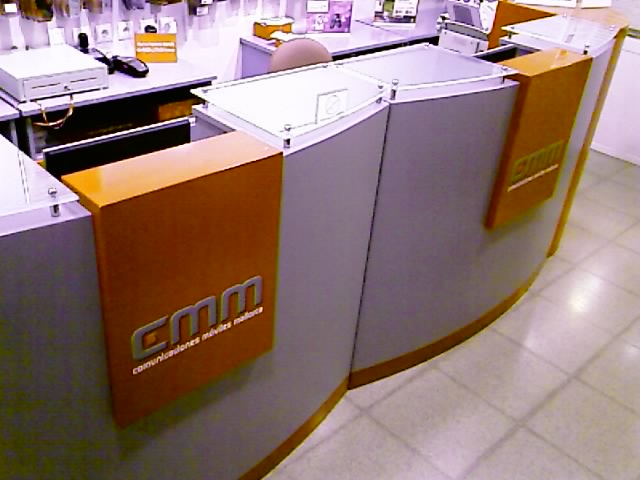
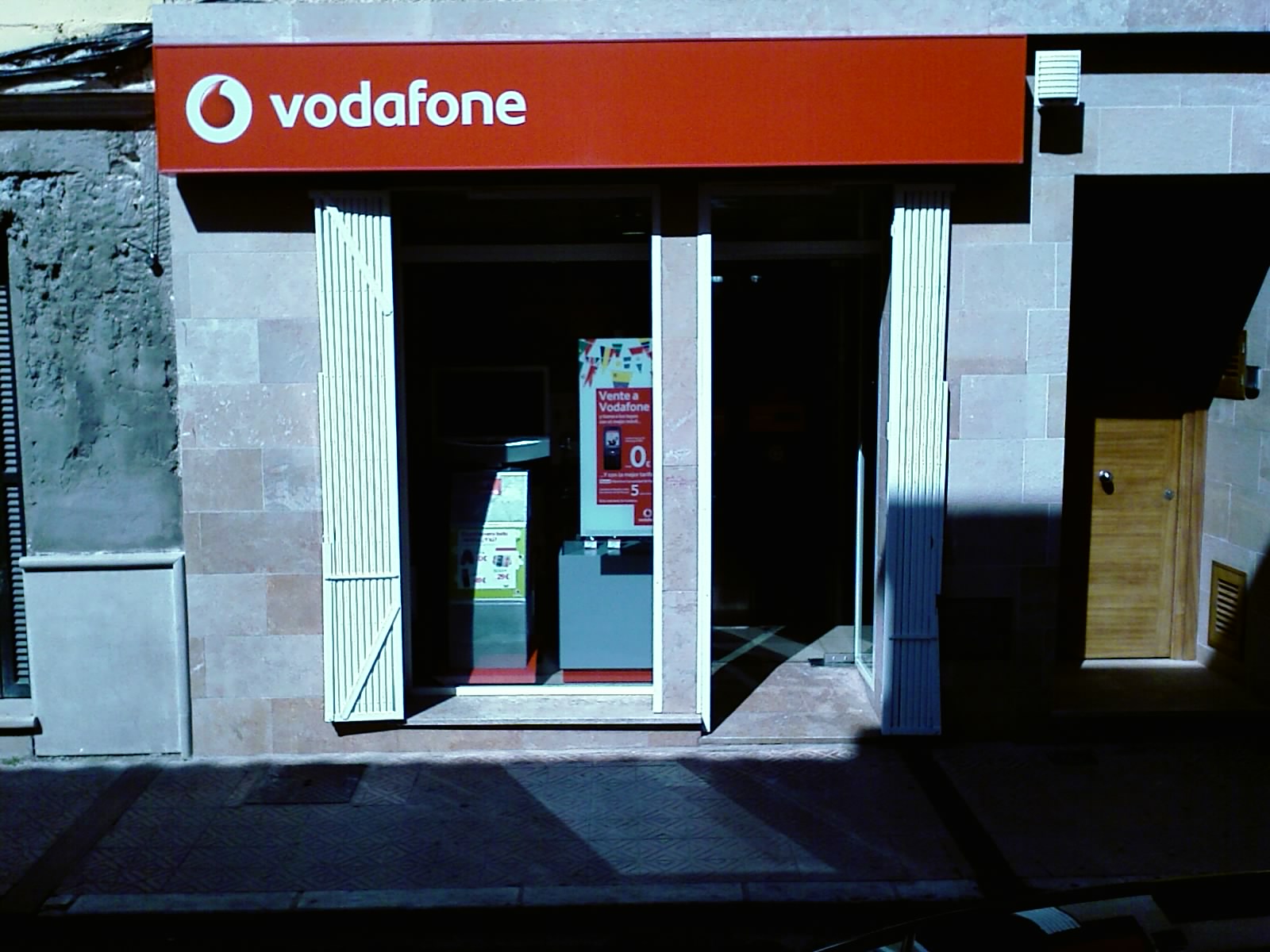
Between August 17, 2005 and August 6, 2013 I worked at Comunicaciones Móviles de Mallorca, S. L., in a Vodafone store in Menorca. There were almost eight years dedicated to telephony, customer service and continuous learning. I had the opportunity to participate in the launch of the first Vodafone store on the island, a new professional adventure that would expand what I had already learned in computing and communications.
Two months of training and a store to open
At the beginning they sent a colleague and me to Mallorca for two months. We still didn't know each other and we had both training and the experience of starting a new job together. We learned the company's procedures, commercial management and customer service while the premises where we were going to work were prepared in Mahón.
The first store was on Rovellada de Dalt street, behind the Esplanade of Mahón. It was a small space in which we spent several years. Later we moved to a larger location on José María Quadrado street, also in Mahón, where a good part of that stage passed.
The connection with Mallorca and daily work
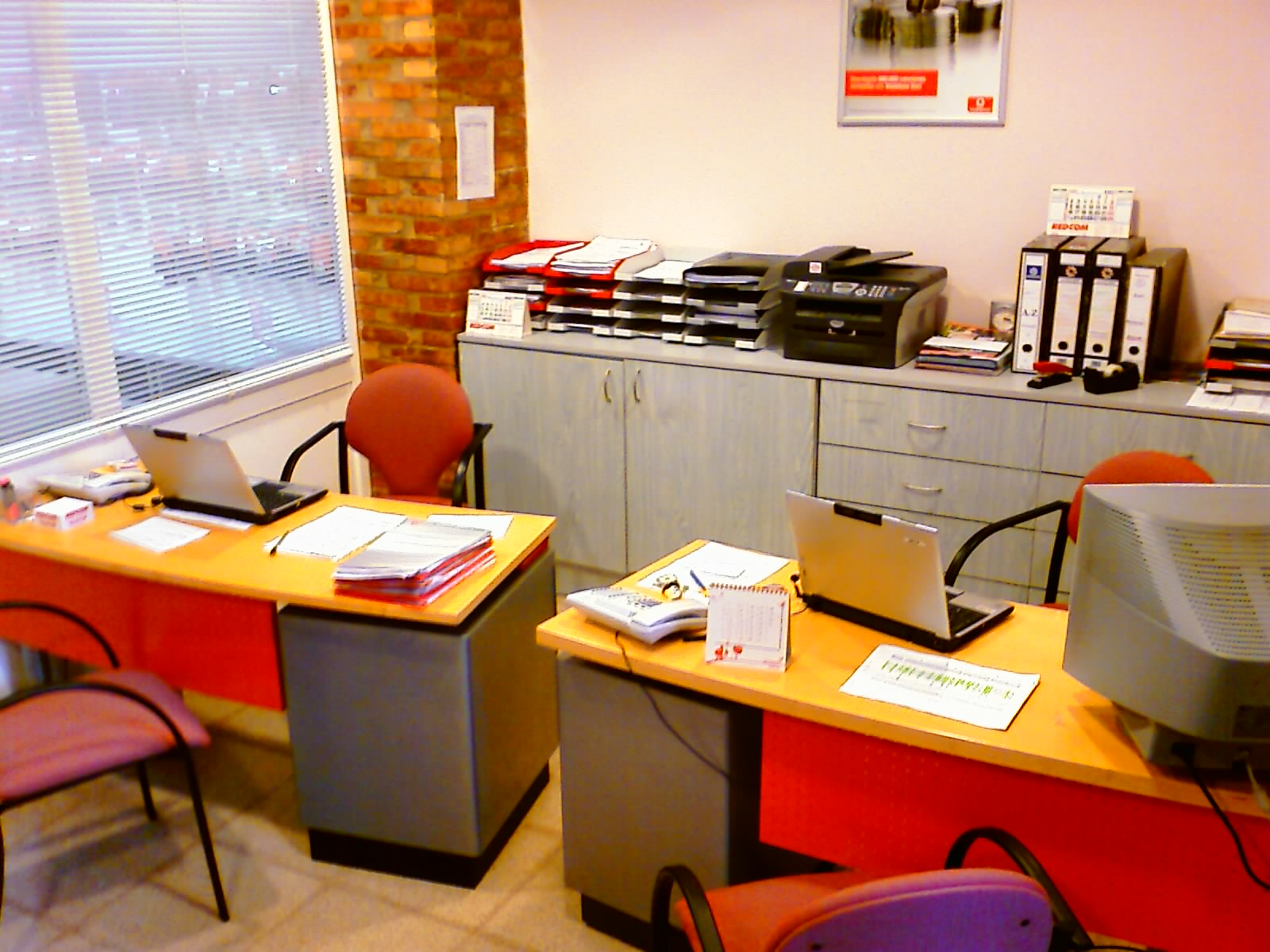
The Menorca delegation had to work connected to the Mallorca headquarters. In addition to serving the public, he collaborated in maintaining the computer system that allowed transactions to be carried out from the island. Previous experience with computers and networks helped me understand how teams interacted and resolve day-to-day incidents. In a press interview in those years I explained the extent to which our work depended on computing and programs that worked through the Internet. I keep the clipping in which I appear as a mobile telephone worker.
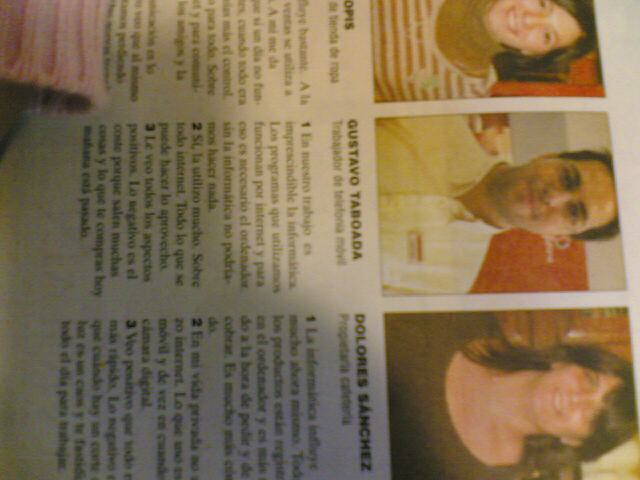
Read the interview in text
1. In our work, computing is essential. The programs we use work over the Internet and for that the computer is necessary; Without IT we couldn't do anything.
2. Yes, I use it a lot. Especially the internet. I take advantage of everything that can be done.
3. I see all the positive aspects. The negative is the cost because many things come out and what you buy today is gone tomorrow.
An important part of the job was listening to the client and translating their needs into an understandable solution. We managed registrations and contracts, activations and duplicates of SIM cards, changes and cancellations of lines, in addition to the sale and configuration of terminals. We also provided landline telephone services and Internet connection.
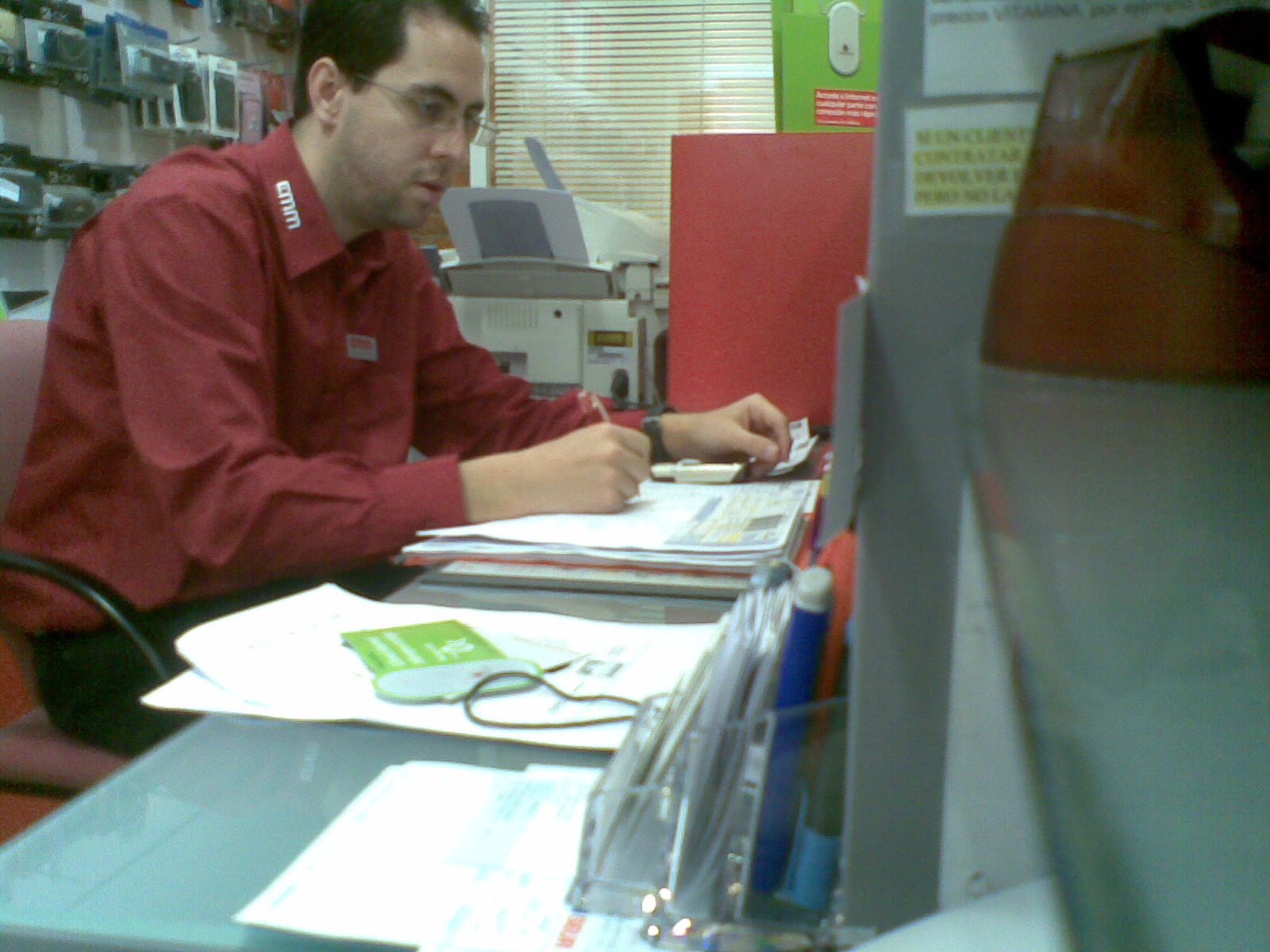
The store provided support to salespeople who visited companies. When they got new lines, we took care of processing and preparing the registrations and the equipment. This work required coordinating the administrative part with the availability of telephones, cards and services, so that each client could start using them.
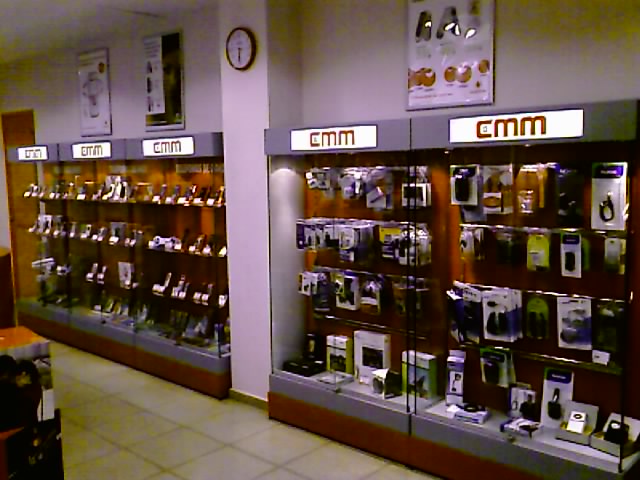
With the growth of activity we have a warehouse with a considerable stock of mobile phones. That was also a school: each model had its menu, its features and its way of solving the same task. In order to explain it to the client, you first had to know it, try it and understand its differences.
From flip phone to pocket computer
I experienced firsthand the transition from keypad phones and flip models to devices with increasingly complete operating systems. Terminals arrived with Symbian, especially linked to Nokia, other platforms from different manufacturers and equipment that were bringing together until then separate functions. Color screens, cameras and the first video calls changed what we expected from a phone.
I was also introduced to PDAs with Windows Mobile and other devices that supported a SIM card and could be used to make calls. They reminded me of the portable terminals that we had incorporated in Madisa, although now they brought together organization tools, applications and mobile communication on the same device. The idea of carrying a small computer in your pocket was taking on an increasingly everyday form.
Mobile cameras then offered images of very modest resolution compared to today. Still, its integration into such a small device was fascinating. Receiving a new model, opening the box and trying its functions for the first time was one of the parts that I enjoyed the most: we could learn about the new products from their arrival at the store and discover what they contributed compared to the previous ones.
Recycled cameras and model airplanes
Through the trade we also managed the delivery of terminals intended for recycling. That stage coincided with my love for aeromodelling and some of those discarded devices sparked my interest in taking advantage of their cameras. I began to relate what I learned about telephony with the electronics of radio-controlled airplanes and with the possibility of obtaining images from the air.
Each field fed the other. The work brought me closer to components, devices and forms of communication; Model airplanes raised new questions about weight, nutrition, and assembly. That combination of work experience and personal curiosity would end up being part of the path that led me to my first aerial jobs.
Training and customer service
At Vodafone I received specific and ongoing training. We traveled to the Mallorca headquarters to take Vodafone Channel Sales Academy courses, approximately every two or three months. We learned sales techniques, customer service and new products and services. For me it was an opportunity to complement practical learning with organized training oriented to the work we did in the store.
Being in front of the public for so many years taught me to explain technology without assuming that everyone knew it. A feature that was common to us could be completely new to someone else. You had to listen, ask, demonstrate how the equipment worked and help the client choose what they really needed.
The Internet also left the house
I also experienced the expansion of ADSL and USB modems to connect to the Internet through the mobile network. The use of laptops was growing and many people were looking for a connection that they could take on trips. In rural areas, some customers did not have a cable telephone line: those modems allowed them to access the Internet without installing a landline, using the available mobile coverage. Managing these registrations and explaining how the connection worked was part of our daily work.
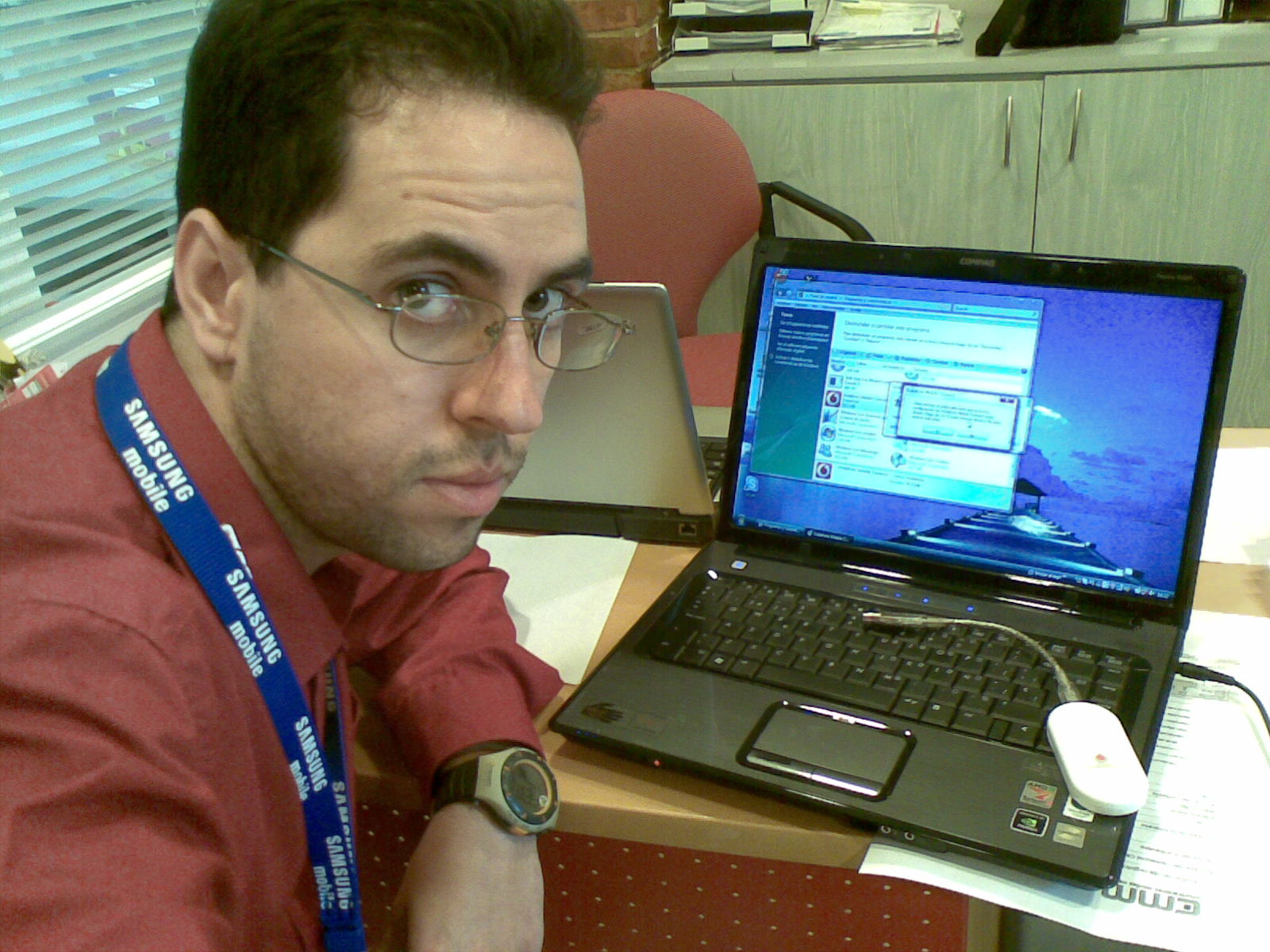
I have a Vodafone advertisement from that period that reflects very well the enthusiasm for mobile broadband: speeds of up to 1.8 Mbps were advertised. Today the figure may seem modest, but back then it was impressive to be able to open your laptop and connect without depending on a telephone jack. Beyond speed, what changed was the freedom to use the Internet in other places. That small file saves a part of the transformation that we experienced from the store.
It was an intense and very rewarding stage. For almost eight years I was able to accompany clients as they changed their communication habits and, at the same time, learn first-hand about a succession of technological innovations. From those years I took away knowledge, dealing with people and many ideas that would continue to develop outside the counter.
My first experiments with cameras on model airplanes ↗Before we called them drones · The full story ↗Return to tour ↑